

Quick answer
To start a hostel in India, register the business and get the same basic clearances as any lodging: a trade licence from the local body, fire and police clearances, and an FSSAI registration if you serve food. Register for GST once your turnover crosses the threshold; a dorm bed at Rs 7,500 a night or less falls in the 5% slab. Register on the Form III portal before your first foreign guest, because each one must be reported within 24 hours. Then plan dorms by bed, write your house rules and deposit policy, and pick software that sells beds rather than rooms.
A hostel looks like a small hotel with bunk beds, and on paper much of the setup is the same. The difference shows up in three places: what you sell (beds, not rooms), who you check in (every guest, not the person who booked) and how many of your guests are foreign backpackers you must report within a day. This guide walks through the decisions in the order you will meet them. It is general information, not legal or tax advice.
1. Register the business and get local clearances
Start with the business itself: a proprietorship, partnership, LLP or company, a bank account in its name, and a lease or title for the building that allows commercial lodging. Then the local clearances. A hostel usually needs the same basic set as other lodging:
- a trade licence from the municipal corporation or panchayat;
- a fire clearance for the building, which also limits how many people may sleep in each room;
- police verification or registration, which many districts ask of lodging that hosts tourists;
- an FSSAI registration or licence if you run a kitchen or café;
- registration with the state tourism department, where your state has a scheme for hostels or homestays.
These rules differ by state and city, so take the list to your local body and ask what applies to your address. The wider list, with the clearances hotels need, is in our hotel legal requirements guide.
2. Register on the Form III portal before your first foreign guest
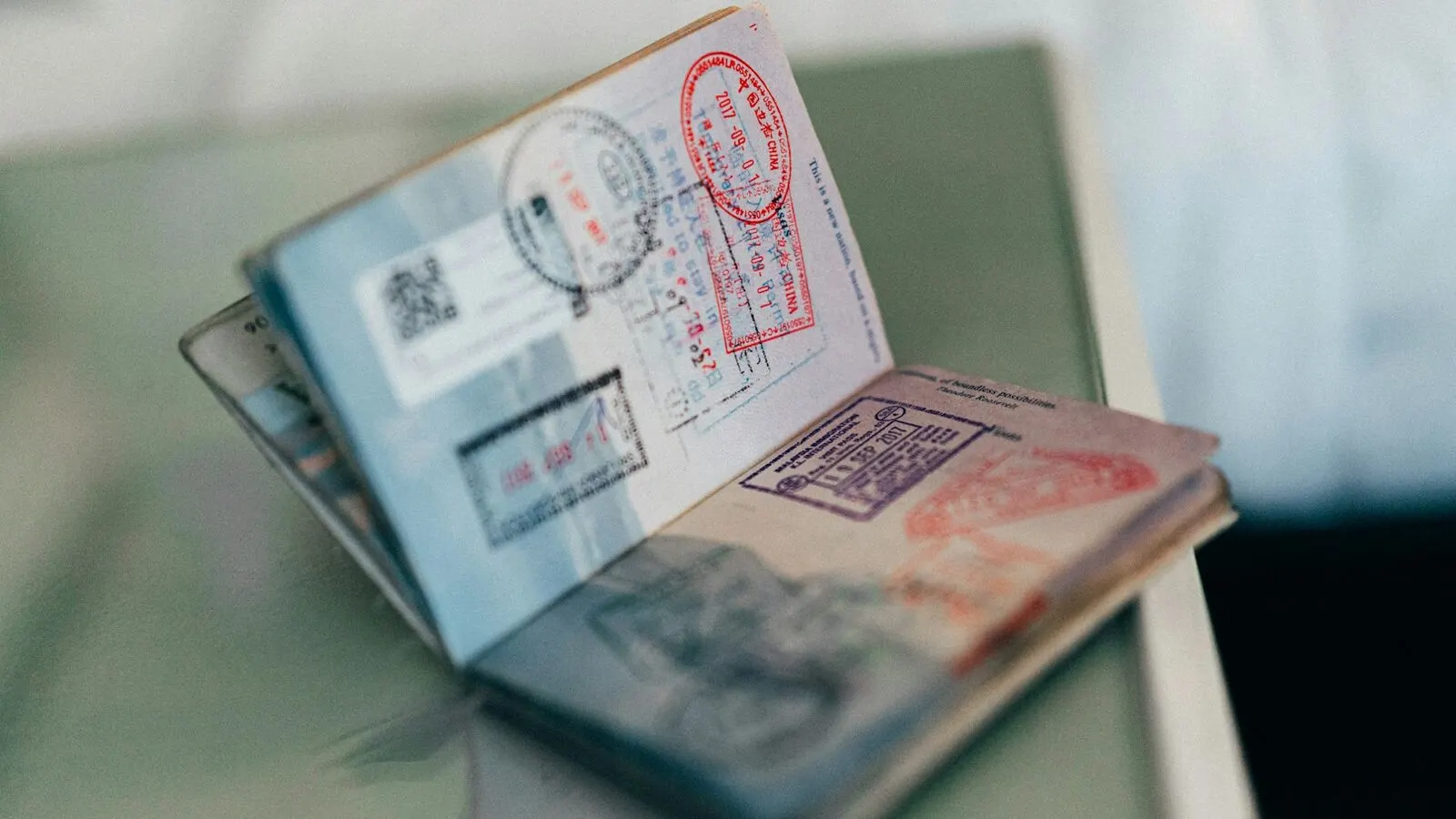
Rule 17 of the Immigration and Foreigners Rules, 2025 lists hostels by name among the accommodation whose keeper must report foreign guests.[1] The report, called Form C for decades and now Form III, goes in online within 24 hours of the guest's arrival, and the departure within 24 hours of it.[1] Register the property on the portal before you open, not on the night the first passport arrives at the desk.[2] The Rules also require guest particulars to be kept electronically for at least a year and shown to the Registration Officer or police on request.[1]
At a backpacker hostel this is not occasional work. Name one person per shift who files, and check the list of foreign guests against filed reports every night. Details are in our Form III guide.
3. Understand GST on dorm beds
Accommodation is taxed at 5% when the value is Rs 7,500 or less per unit per day, and 18% above it, from 22 September 2025.[3][4] Most dorm beds sit far below the limit. The point to settle with your accountant is the unit: a bed sold on its own has its own nightly price, even when a group of 12 pays for a whole dorm together. A Rs 800 bed for 12 people is Rs 9,600 a night for the room, and the slab you charge should follow how you sell it.
Registration is compulsory once turnover crosses the threshold in section 22 of the CGST Act, Rs 20 lakh in most states and lower in special category states.[5] If you sell through online travel agents below that level, the rules on who pays the GST change. Our GST on hotel rooms guide covers the slabs, invoices and OTA rules in full.
Infographic
Deadlines and thresholds a new hostel must know
4. Plan the dorms by bed, not by room
Before you order bunks, decide for each room:
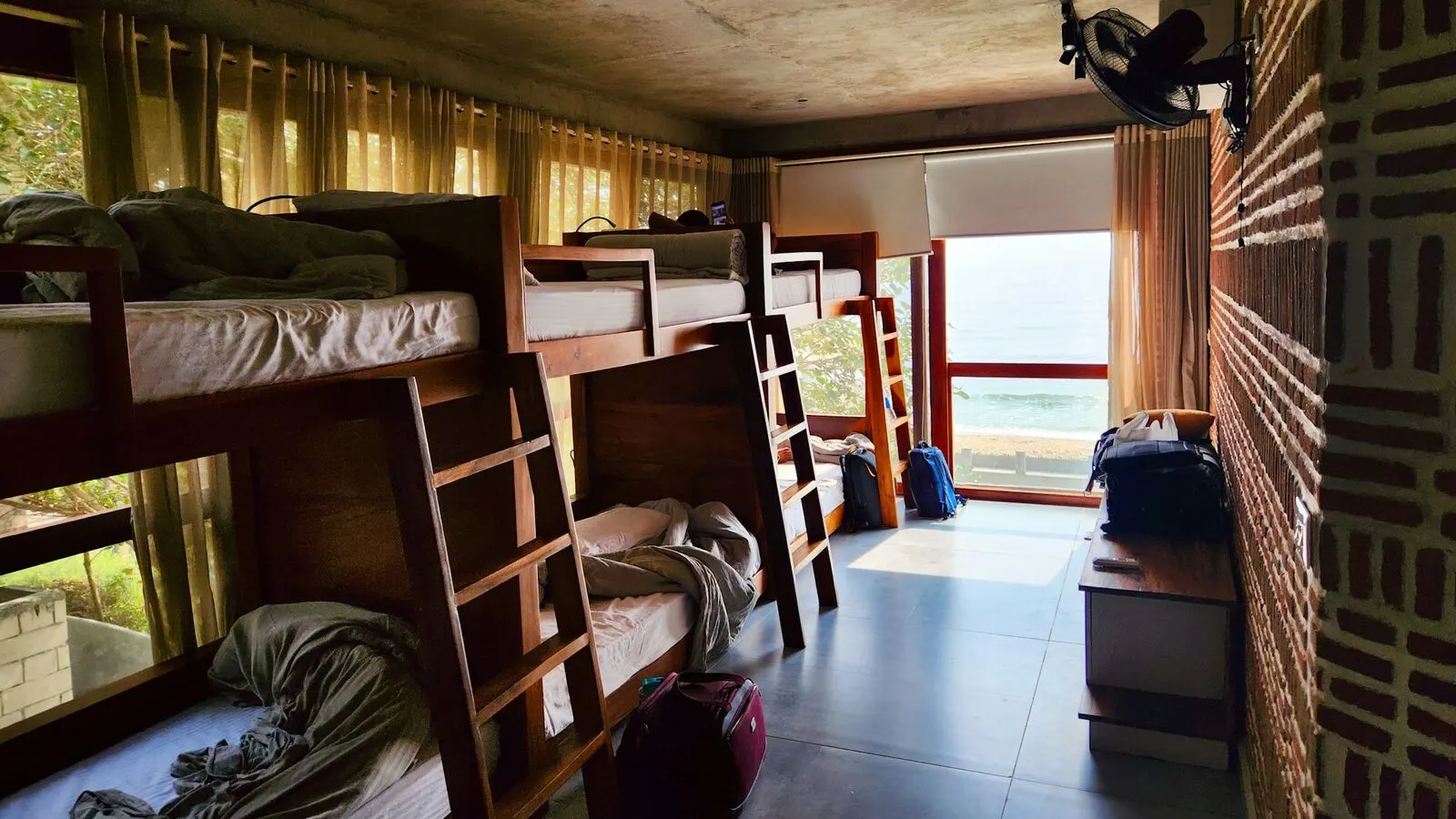
- Size. A mix of small and large dorms lets a group of friends book a small dorm whole while solo travellers fill the big ones.
- Gender. Which dorms are female-only, which male-only and which mixed. Decide this before you list, because the listing has to say it.
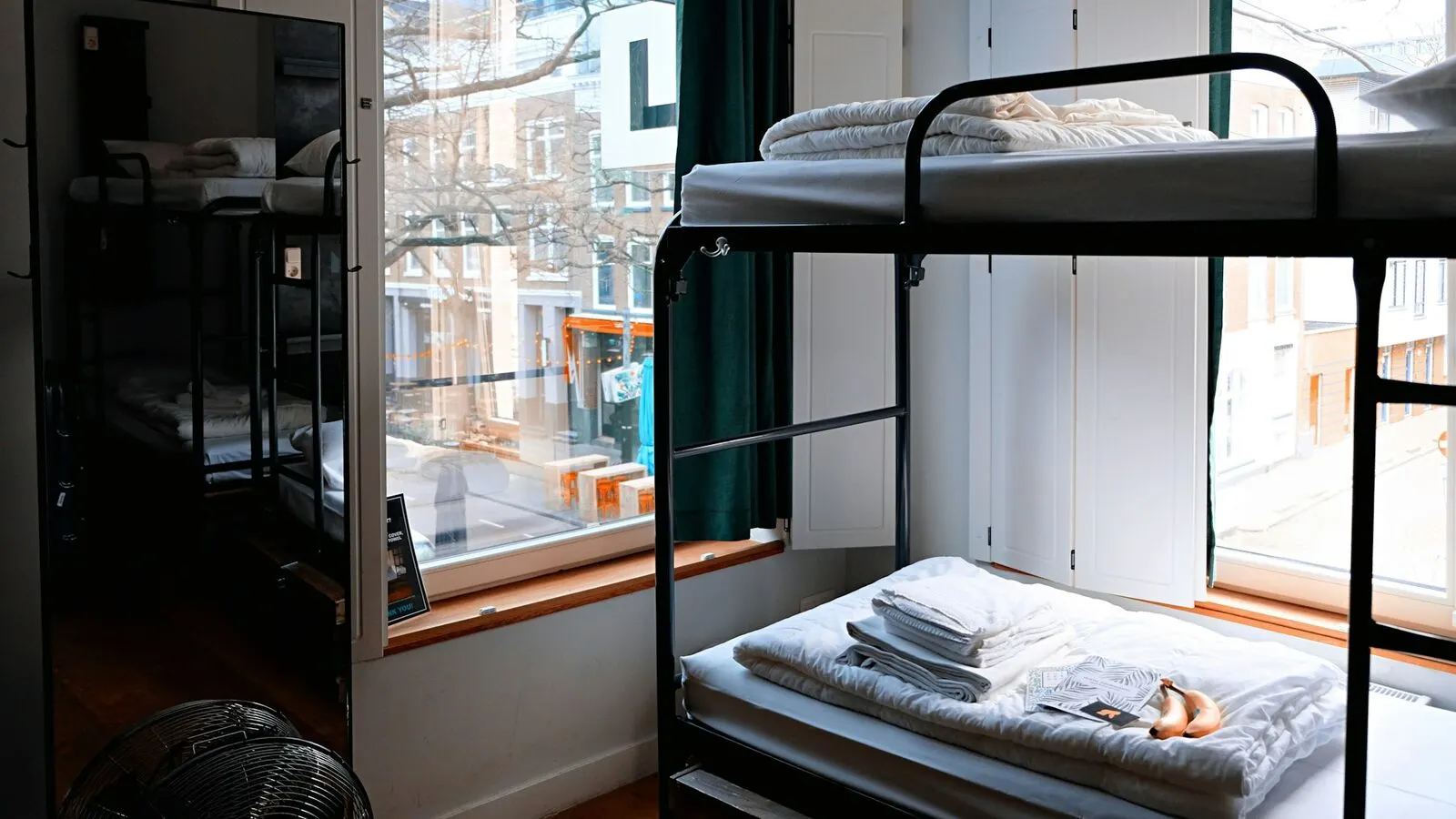
- Bed type. Singles, bunks or pods. Lower bunks are the first to be asked for; know how many you have.
- Per bed. A locker, a curtain, a power socket and a reading light, and which beds have which.
- Private rooms. Many hostels keep a few private rooms for couples and groups. Your software should handle both under one roof.
Label every bed (A1, A2 and so on) and put the label on the frame. It is the label your staff, your housekeeping team and your guests will use.
5. Write house rules, a deposit policy and an ID policy
Write these before opening, so the first desk shift does not invent them. House rules usually cover quiet hours, the gate time, alcohol and smoking in dorms, and valuables. Have every guest accept them, with a signature, at check-in. Decide the deposit: per booking, per guest or per bed, how much, and whether you take cash, UPI or card. And decide which IDs you accept and whether you photograph them.
ID photos are sensitive. Store them encrypted, show staff only a masked number, and delete them when you no longer need them, keeping in mind the one-year record rule above. The full desk routine is in how to run hostel check-in.
6. List the beds where backpackers look
Backpackers book on OTAs, on hostel-focused sites and on hostels' own websites. On an OTA a dorm is listed as a room type whose availability is a number of beds and whose rate is per bed. Keep the bed count in one system that pushes it to every channel, so the last bed is never sold twice. A booking engine on your own website lets returning guests book without a commission.
7. Pick software that sells beds
A hotel PMS will make you fake each bed as a room. Look instead for:
- beds as inventory, with per-bed rates, and a dorm that can also be booked whole;
- automatic allocation that respects female, male and mixed dorms and keeps groups together;
- a check-in that records every guest's ID, the signed house rules, the deposit and the locker;
- a list of foreign guests with the time left to report each one;
- housekeeping per bed, so the desk knows which bed is made up;
- encrypted ID storage with automatic deletion.
RevNext Cloud PMS does each of these, at the Cloud PMS price. It does not file Form III for you: it exports the details as a CSV for the government portal. See hostel management software for the screens.
A launch checklist
- Business registered, bank account open, lease allows lodging.
- Trade licence, fire and police clearances; FSSAI if you serve food.
- GST registration, or a note of when you will cross the threshold.
- Property registered on the Form III portal, with two people who can log in.
- Dorm list with sizes, gender and bed labels on every frame.
- House rules, deposit policy and ID policy written down.
- Rates per bed set, and dorms mapped on each channel.
- Software set up and one practice check-in done, including a foreign guest.
Key takeaways
- A hostel needs the same basic local clearances as other lodging. Ask your municipal body and state tourism department which apply where you are.
- Hostels are named in the Immigration and Foreigners Rules, 2025 as accommodation that must report foreign guests within 24 hours.
- Guest particulars must be kept electronically for at least a year.
- GST on accommodation is 5% up to Rs 7,500 per unit per day and 18% above, from 22 September 2025.
- Decide dorm sizes, female-only and mixed dorms, house rules and the deposit before you open, not at the first check-in.
- Choose software that counts beds, checks in every guest and lists foreign guests to report.
Last updated: 2026-11-26
Sources
Rule 17 of the Immigration and Foreigners Rules, 2025 and the Bureau of Immigration's Form III portal, the PIB release on the 56th GST Council meeting, CBIC Notification No. 15/2025-Central Tax (Rate) and section 22 of the CGST Act were read on 26 November 2026. Local licences are described in general terms because they differ by state and city. RevNext's own features are described from its product design note. This is general information, not legal or tax advice.
- Ministry of Home Affairs, Gazette of India (G.S.R. 596(E), 1 September 2025), Immigration and Foreigners Rules, 2025 (rule 17: report by keeper of accommodation)
- Bureau of Immigration, Ministry of Home Affairs, Online Form III portal
- Press Information Bureau, Ministry of Finance, Recommendations of the 56th Meeting of the GST Council (3 September 2025)
- CBIC, Notification No. 15/2025-Central Tax (Rate), 17 September 2025
- CBIC, Central Goods and Services Tax Act, 2017: section 22 (persons liable for registration)
FAQ
What licences do I need to start a hostel in India?
Usually a trade licence from the municipal body, fire and police clearances for the building, GST registration once your turnover crosses the threshold, an FSSAI registration or licence if you serve food, and registration on the Form III portal if you will host foreign guests. Some states also ask hostels or homestays to register with the tourism department. Rules differ by state and city, so confirm the list with your local body.
What is the GST rate on a hostel dorm bed?
Accommodation is taxed at 5% when the value is Rs 7,500 or less per unit per day and 18% above it, from 22 September 2025. A dorm bed at Rs 800 a night is far below the limit. Confirm with your accountant how the per-unit test applies to your dorms.
Do hostels have to report foreign guests?
Yes. Rule 17 of the Immigration and Foreigners Rules, 2025 names hostels among the accommodation that must report foreign guests on Form III, formerly Form C, within 24 hours of arrival, and report the departure within 24 hours of it.
How many beds should a dorm have?
There is no single answer; it depends on room size, the local fire and building rules, and who your guests are. Many hostels mix dorm sizes so a group of friends can take a small dorm whole while solo travellers fill the larger ones. Check room capacity with your fire and building approvals before you buy bunks.
Can I use hotel software for a hostel?
Only with workarounds. Most hotel systems count rooms, so beds end up set up as fake rooms or kept on a spreadsheet. Hostel software sells beds, keeps female and male dorms apart, checks in every guest and makes housekeeping tasks per bed.
Related posts

About the author
Aryan Raj · Chartered Accountant
Aryan Raj is a chartered accountant who writes RevNext's tax, GST and platform content. This article is general information, not legal or tax advice; confirm your own position with a lawyer and your own accountant.